Security Operations Center Best Practices
Building a first-class security operations center is no simple feat – maintaining it is even harder. Below, we discuss four security operations center best practices that every organization should strive for.
1. Start with strategy
The first step in establishing an organization’s SOC is to define a clear strategy that aligns with the organization’s business goals. This process should include an enterprise-wide assessment, during which the team can take inventory of existing assets and resources, and also identify gaps or potential vulnerabilities within the business that could be exploited by adversaries.
Another key aspect of strategic planning is developing a clear, comprehensive set of processes that will guide the SOC team in all manners of operation, including monitoring, detection, response and reporting.
Given the increasing complexity of the threat landscape, organizations will likely need to constantly review and update their strategy and processes to reflect new and emerging risks. Likewise, the organization at large must be made aware of basic security operations and best practices to help preserve the business’s overall health and performance.
Another key aspect of strategic planning is developing a clear, comprehensive set of processes that will guide the SOC team in all manners of operation, including monitoring, detection, response and reporting.
Given the increasing complexity of the threat landscape, organizations will likely need to constantly review and update their strategy and processes to reflect new and emerging risks. Likewise, the organization at large must be made aware of basic security operations and best practices to help preserve the business’s overall health and performance.
2. Enable organization-wide visibility
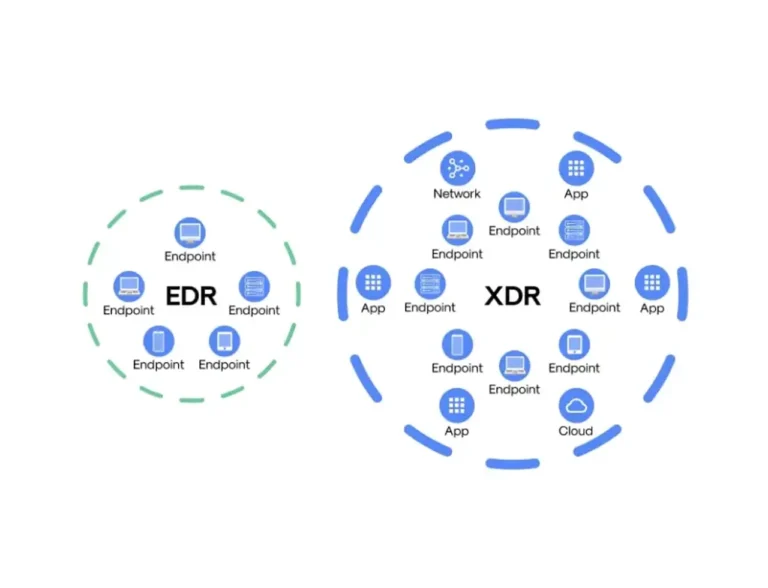
The SOC can only protect known assets. At the same time, any device can compromise network security. It is crucial, therefore, that the SOC identifies all digital assets — including networks, databases, devices/endpoints, websites and information stores — and incorporates their individual data logs into a single monitoring and analysis function. It is also important to map the use of third-party services and traffic flowing between the assets, as threats may derive from this activity.
Creating this end-to-end visibility will not only help protect each asset individually, but also create a complete view of typical behavior and activity for the organization. This makes it easier for security technologies and tools to identify and prioritize risks and recommend actions for remediation in the future.
Creating this end-to-end visibility will not only help protect each asset individually, but also create a complete view of typical behavior and activity for the organization. This makes it easier for security technologies and tools to identify and prioritize risks and recommend actions for remediation in the future.
3. Establish the technology stack
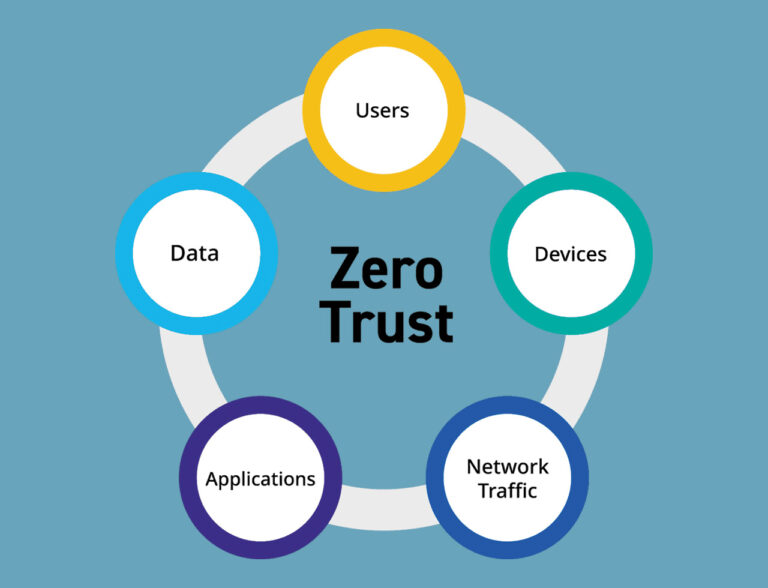
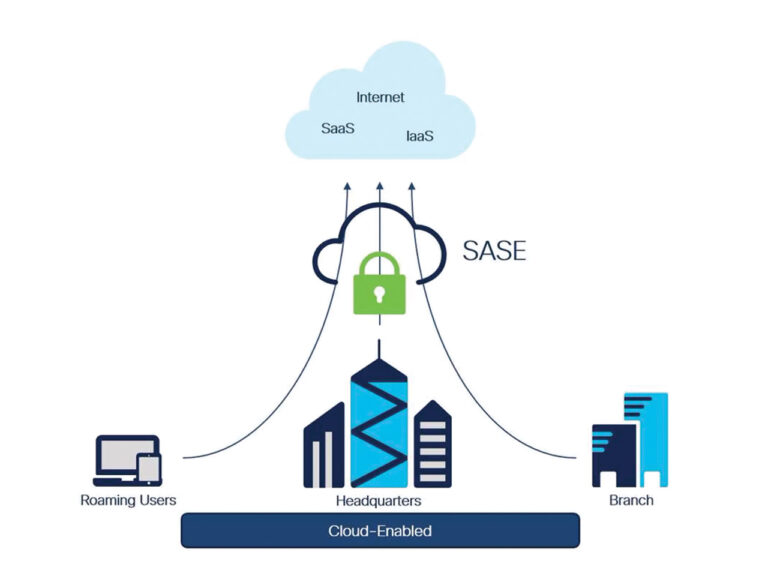
The SOC is not a single asset — it is a combination of people, processes and technologies that work together to protect and defend the organization. On the technology side, there are many critical components that make up the digital backbone of the security center. These include the following:
Due to the advanced nature of the threat landscape, as well as the complexity of the global business operations, organizations must leverage the latest digital technologies to stay a step ahead of cyber adversaries. Next-gen cloud-based security solutions play an important role, as they allow the organization to deploy tools quickly and support the ability to update or adapt to new threats.