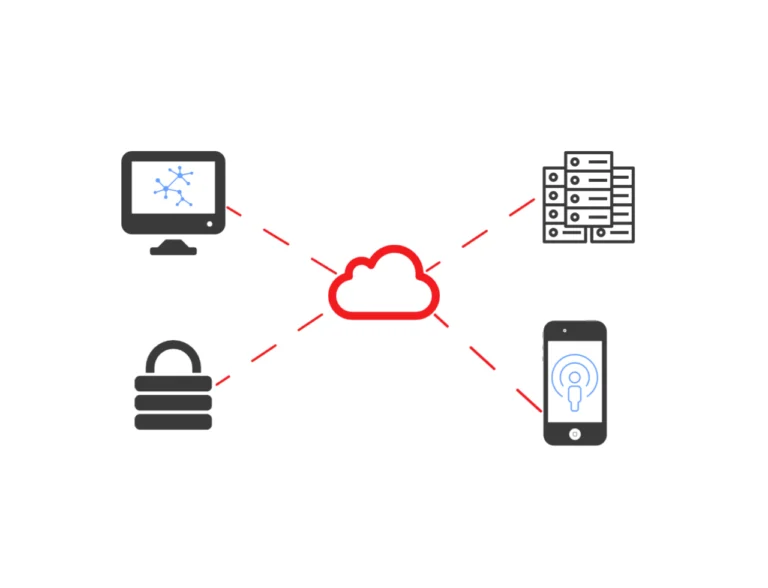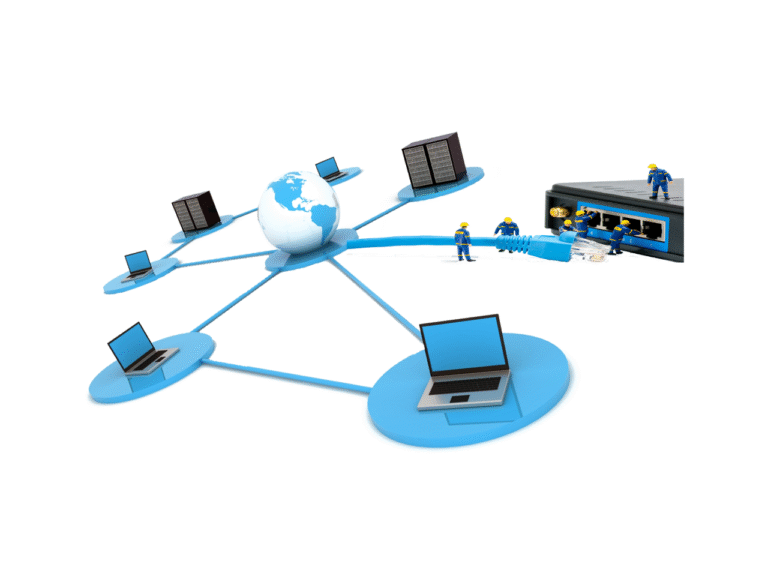
As remote work and cloud applications become standard, the traditional corporate network perimeter has dissolved.
Employees work from anywhere, accessing systems like ERP, email, and collaboration platforms from various devices and locations.
Legacy firewall and VPN solutions, designed to protect a fixed network boundary, are no longer sufficient.
Enter SASE (Secure Access Service Edge).
This cloud-native architectural framework is emerging as the new standard for modern, agile enterprises, converging comprehensive security with wide-area networking.
What is SASE? The Core Concept
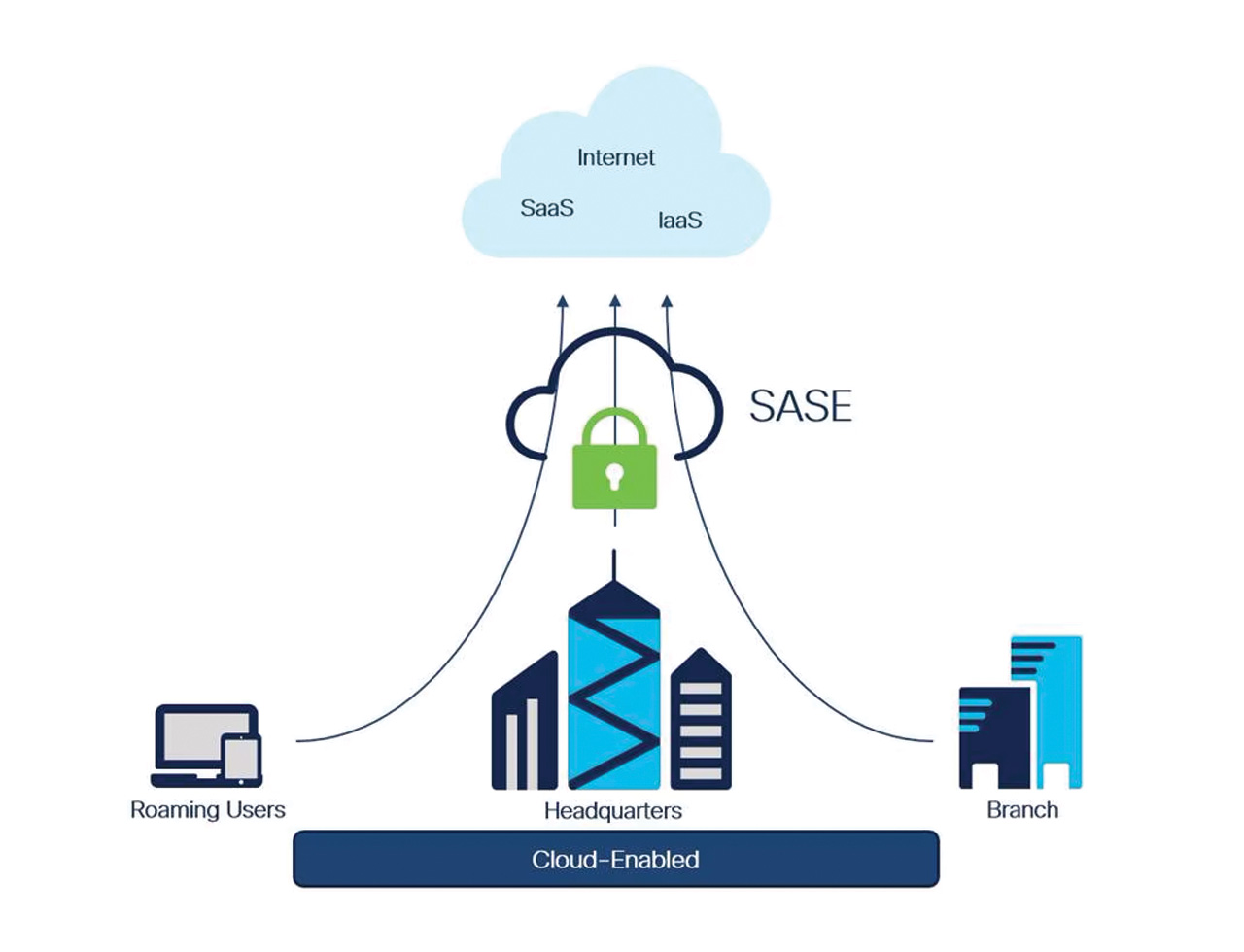
SASE (pronounced “sassy“) is an integrated, cloud-delivered service that combines network security functions with WAN capabilities like SD-WAN.
It’s a one-stop solution that ensures secure and optimized access, regardless of user location, device, or application.
It’s a one-stop solution that ensures secure and optimized access, regardless of user location, device, or application.
The Two Pillars of SASE
1. The Security Foundation: SSE (Security Service Edge)
The security component of SASE is known as SSE.
It goes beyond simple connectivity to ensure every connection is inherently secure. Its core functions include:
Zero Trust Network Access (ZTNA):
Enforces a “never trust, always verify” principle. Every access request is authenticated and authorized, minimizing the risk of lateral movement by hackers.
Cloud Access Security Broker (CASB): Provides visibility and compliance control over cloud applications (e.g., Office 365, Google Workspace, Salesforce) to prevent sensitive data leakage.
Secure Web Gateway (SWG): Filters and monitors all web traffic to block access to malicious websites, phishing attacks, and inappropriate content, protecting users from online threats.
Together, these SSE components deliver a holistic security model that protects from identity and application access to general web browsing.
2. The Networking Backbone: SD-WAN
SASE seamlessly integrates advanced networking services, most commonly SD-WAN, to ensure reliable and high-performance connectivity.
Flexible Branch & Remote Connectivity: Enables branch offices and remote employees to securely and directly access headquarters and cloud resources without backhauling traffic.
Enhanced Performance & Scalability: Unlike traditional WAN, SD-WAN dynamically routes traffic along the best available path based on application needs, ensuring a superior user experience.
In essence, SASE consolidates previously fragmented security tools and network services into a single, unified cloud platform. This provides a consistent and secure access experience for every user, everywhere.
Key Advantages of Adopting a SASE Model
SASE delivers a complete “Security + Networking” package, empowering modern businesses with both agility and robust protection.
✅ Faster User Experience:
Users connect to the nearest SASE point of presence (PoP), reducing latency by avoiding the need to route all traffic through a central data center.
✅ Stronger Security Posture:
All traffic is subject to consistent, cloud-based security inspection and policy enforcement, ensuring uniform protection for all users.
✅ Simplified IT Management:
Security and networking policies are managed centrally from a single console, eliminating the need to configure and maintain individual appliances at each branch office.
✅ Greater Business Flexibility:
The architecture natively supports a wide range of modern work models, including remote work, global collaboration, and hybrid cloud environments.
Pre-Implementation: Key SASE Considerations & Challenges
While SASE is a powerful architecture, a successful rollout requires careful planning to overcome common hurdles.
Deployment Complexity:
Organizations with existing firewalls, VPNs, and SD-WAN may face a complex transition, requiring a redesign of both network and security policies.
Our Recommendation: Start with a thorough audit of your current environment and needs. A phased migration strategy can help minimize disruption.
Our Recommendation: Start with a thorough audit of your current environment and needs. A phased migration strategy can help minimize disruption.
Performance & Cloud Dependency Risk:
As a cloud-delivered service, SASE performance depends on the provider’s global network. Users in remote areas with limited node coverage might experience latency.
Our Recommendation: Ensure your SASE provider has a robust, global network of PoPs and design an architecture that meets the specific needs of your branch locations and remote users.
Our Recommendation: Ensure your SASE provider has a robust, global network of PoPs and design an architecture that meets the specific needs of your branch locations and remote users.
Performance & Cloud Dependency Risk:
As a cloud-delivered service, SASE performance depends on the provider’s global network. Users in remote areas with limited node coverage might experience latency.
Our Recommendation: Ensure your SASE provider has a robust, global network of PoPs and design an architecture that meets the specific needs of your branch locations and remote users.
Our Recommendation: Ensure your SASE provider has a robust, global network of PoPs and design an architecture that meets the specific needs of your branch locations and remote users.
SASE is not a magic bullet, but a strategic evolution in network security architecture.
To realize its full potential, businesses must evaluate their current network landscape, remote work requirements, cloud adoption, and Zero Trust maturity.
Overcome SASE Challenges with Expert Guidance
Navigating the transition to SASE requires a partner with deep expertise in both cybersecurity and network infrastructure.
GOIP is your trusted advisor, offering integrated consulting services to help you:
• Reduce Deployment Complexity with a systematic assessment of your current environment and a tailored migration plan.
• Maintain Optimal Performance & Stability by designing a high-performance SASE architecture tailored to your branch, remote, and cloud usage scenarios.
• Achieve True Security Transformation by embedding Zero Trust and edge security principles into your operations, ensuring your security posture evolves with your business.
GOIP is your trusted advisor, offering integrated consulting services to help you:
• Reduce Deployment Complexity with a systematic assessment of your current environment and a tailored migration plan.
• Maintain Optimal Performance & Stability by designing a high-performance SASE architecture tailored to your branch, remote, and cloud usage scenarios.
• Achieve True Security Transformation by embedding Zero Trust and edge security principles into your operations, ensuring your security posture evolves with your business.
Ready to transform your network security?
[Contact GOIP today] to schedule a consultation and learn how we can help you build a future-proof SASE framework
that delivers the perfect balance of security, speed, and simplicity.
that delivers the perfect balance of security, speed, and simplicity.